






Regenerative Thermal Oxidizer Maintenance: Practical Inspection & Tuning Checklist
Ask any process engineer, and they’ll tell you that most RTO problems don't begin with a hard shutdown. They start as small, easy-to-dismiss changes: Pressure drop creeps up, a switching valve gets inconsistent, or an air cylinder starts showing wear. Even though the cycle looks normal from the HMI, the unit is slowly drifting away from the way it was meant to run. That's why regenerative thermal oxidizer maintenance can't be treated as a once-a-year outage task or a generic PM checklist copied from another plant.
For a process engineer, the real job is catching the early signs that ceramic media, poppet valves, controls, insulation, or combustion tuning need attention before they turn into excess fuel use, unstable operation, or a compliance problem. We built this guide for that exact challenge. Instead of repeating broad maintenance advice, we lay out a practical inspection and tuning cadence for monthly, quarterly, and annual review, with a focus on the components and operating signals that usually tell you first when an RTO needs more than routine attention.
Start with Trends, Not Just the Calendar
Your RTO maintenance schedule is useful only if it helps you see variations. Daily and weekly operator checks still matter, but monthly, quarterly, and annual reviews should answer a larger question: Is the RTO operating the same way it did when it was commissioned, permitted, or last tuned?
For each inspection item, don’t just check the box to indicate completion. Instead, record the condition, the trend, and the likely consequence. "Valve checked" simply isn't enough. "North poppet valve closing slower than previous inspection" is more useful because it points to a possible actuator, seal, shaft, or control issue.
Monthly RTO Inspection Checklist
The goal for monthly RTO maintenance is to identify warning signs before they require outage work and should focus on observations that can be made while the system is operating.
- Pressure drop: Trend pressure drop across the RTO beds. A gradual increase can point to ceramic media plugging, particulate carryover, or process changes that are loading the unit differently.
- Switching valves and poppets: Watch for inconsistent motion, slow response, abnormal noise, visible seal wear, or signs the valve isn't seating cleanly.
- Air cylinders and actuators: Check for leaks, loose hardware, damaged lines, erratic movement, and wear around linkages or shafts.
- Controls and alarms: Review alarm history, cycle behavior, and HMI trends. A normal-looking screen can still hide slow drift if no one is comparing current behavior to baseline operation.
- Burner and combustion stability: Look for unstable firing, nuisance trips, or operating changes that suggest the unit may need tuning.
- Hot spots and insulation: Treat new hot surfaces, damaged insulation, or duct concerns as escalation items, not cosmetic findings.
If process loading, solvent mix, particulate carryover, or operating hours have changed, the old RTO inspection checklist may no longer fit the current duty, so be sure to take these operational changes into account and adjust accordingly.
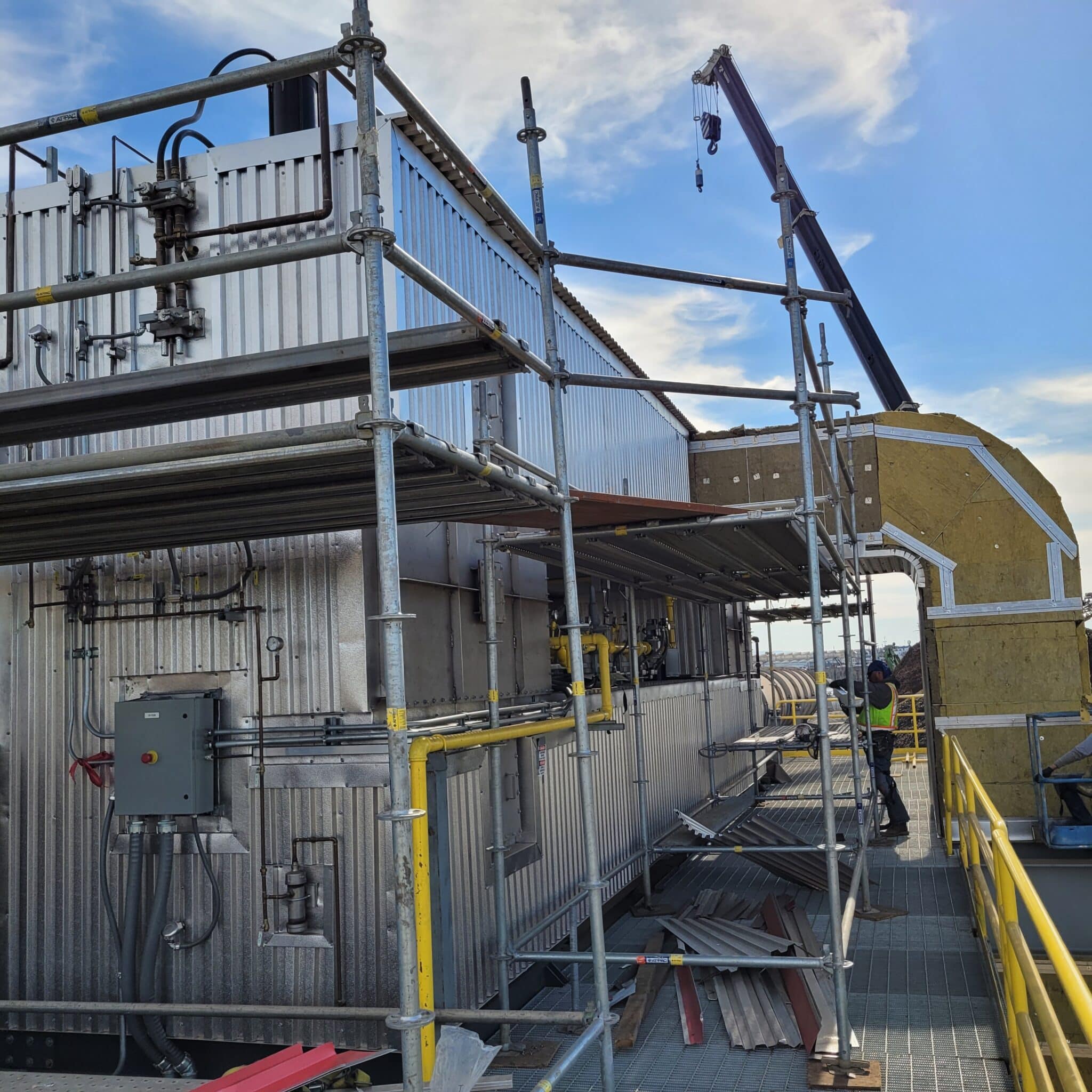
Quarterly Checks
Quarterly inspections should connect the monthly trends to functional checks. This is where RTO tuning starts to matter. At this stage, the question you’re asking is not only “What looks worn?” More importantly, you’re asking, “Is the system sequencing, firing, and recovering heat the way the process requires?”
- Review valve timing and switching consistency.
- Confirm that PLC logic, alarms, and interlocks are behaving as intended.
- Look for repeat nuisance alarms, delayed valve movement, or cycle behavior that has changed after process modifications.
Remote monitoring can help catch these patterns early, but it doesn't replace physical inspection of media, valves, insulation, and actuators.
Pressure drop deserves special attention. Assuming that every increase means media replacement may mean that you miss the actual cause: fouling, upstream carryover, a flow-path restriction, or a process change. The correct response might be cleaning, upstream correction, tuning, or outage planning instead of media replacement.
Annual Outage Scope: Inspect, Clean, Repair, or Replace
The annual inspection is where regenerative thermal oxidizer maintenance becomes more invasive. It’s crucial to plan this work around the components that can't be properly evaluated during operation.
- Ceramic media: Inspect for plugging, fouling, breakage, settling, or uneven bed condition. Decide whether cleaning, partial replacement, or full replacement is justified by the findings.
- Valve internals: Inspect poppet or switching valve seats, seals, shafts, drives, linkages, dampers, and air cylinders. These are high-cycle components, and small mechanical issues can become operating instability.
- Combustion chamber and burner system: Check for deposits, damage, flame stability concerns, and combustion control issues that may require tuning.
- Insulation, ductwork, and hot spots: Inspect damaged insulation, duct connections, expansion points, and areas where heat loss or deterioration is visible.
- Controls: Review PLC setup, alarm handling, sequence logic, and whether upgrades are needed for reliable operation or better diagnostic visibility.
Here’s a Comparison Chart to Help Match the Finding to the Right Action:
| Inspection Area | What to Check | Likely Symptom | Typical Action |
|---|---|---|---|
| Ceramic Media | Plugging, fouling, settling, damage | Rising pressure drop or uneven performance | Monitor, clean, or plan replacement |
| Switching Valves | Seating, timing, seals, shaft wear | Inconsistent cycling or leakage risk | Tune, repair, or schedule outage work |
| Air Cylinders | Leaks, movement, linkage condition | Slow or erratic actuation | Repair or replace components |
| PLC and Controls | Logic, alarms, interlocks, cycle behavior | Nuisance trips or hidden drift | Controls review or upgrade |
| Insulation and Ducting | Hot spots, damage, leakage, deterioration | Heat loss or mechanical degradation | Repair during planned outage |
Know When to Bring in Aftermarket Engineering
Plant teams can handle routine walkdowns, trend reviews, and basic visual checks. But when findings point to valve drive repair, media replacement planning, PLC logic changes, hot-spot investigation, burner tuning, or a shutdown scope that needs to be right the first time, bring in experienced aftermarket support.
PCC's aftermarket engineering team supports RTO inspections, tuning reviews, controls upgrades, retrofit planning, and repair scopes for systems that need more than routine preventive maintenance. To prepare for an inspection, collect pressure-drop trends, alarm history, recent process changes, valve observations, and any photos of hot spots or insulation concerns. For related technical resources, see PCC's aftermarket engineering services.
Frequently Asked Questions
Schedule an RTO Inspection Before Drift Becomes Downtime
If your regenerative thermal oxidizer maintenance records show rising pressure drop, valve inconsistency, control drift, hot spots, or unexplained operating changes, it's time to inspect the system as an engineered package, not as a list of disconnected components. Schedule an RTO inspection with PCC aftermarket engineering to review the unit, define the repair or tuning scope, and plan the work around your operating and compliance requirements.
Ready to Discuss Your Application?
Contact PCC's engineering team to learn how our solutions can address your emission control requirements.